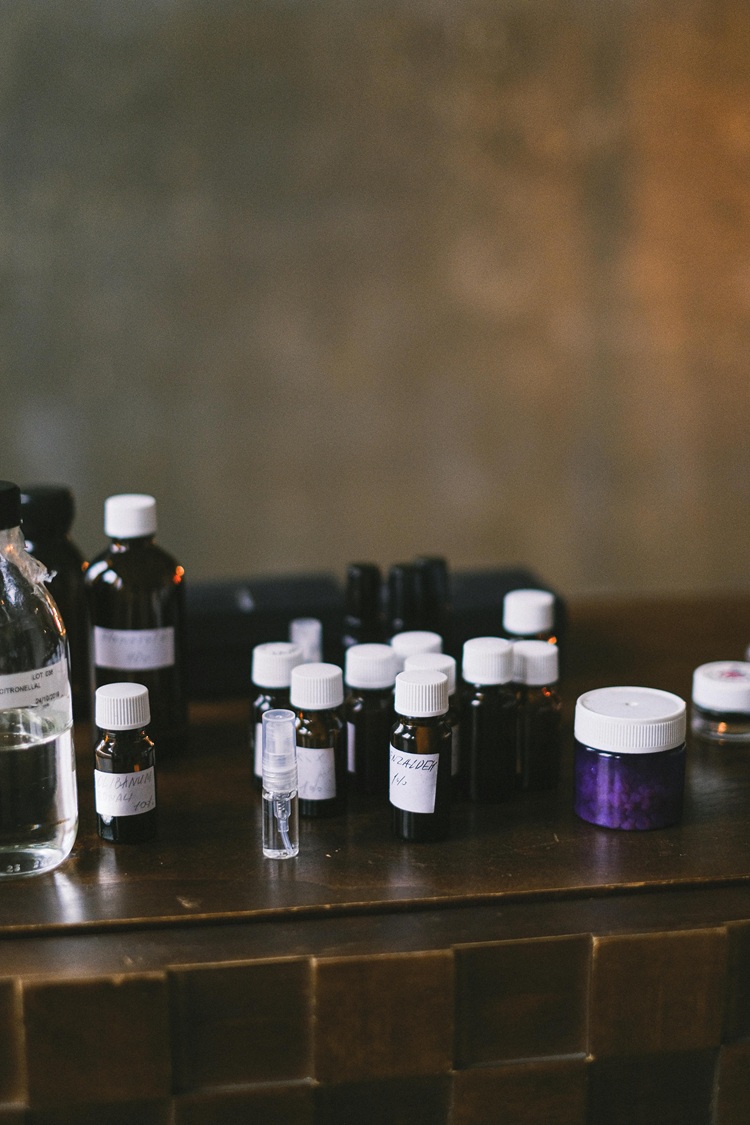
In the world of pharmaceuticals and nutraceuticals, the container is more than just a vessel; it is a critical component of the drug delivery system. For many oral solid doses, moisture is the primary enemy of stability, leading to chemical degradation, reduced potency, or even physical changes like softening or discoloration.
Selecting the right polymer is the first line of defense in ensuring a product reaches the consumer with its efficacy intact. Here are four key reasons why moisture barrier properties dictate the success of pharmaceutical packaging.
1. Preventing Hydrolysis and Chemical Decay
Many active pharmaceutical ingredients (APIs) are hygroscopic, meaning they readily absorb water from the surrounding air. When moisture penetrates a container, it can trigger hydrolysis—a chemical reaction that breaks down the molecular bonds of the medication. A high-performance moisture barrier ensures that the internal environment remains dry, preserving the chemical integrity of the product throughout its intended shelf life.
2. Maintaining Physical Stability
Beyond chemical potency, moisture affects the physical form of tablets and capsules. Excess humidity can cause gelatin capsules to become brittle or sticky, while tablets may swell or crumble. By utilizing materials with a low Moisture Vapor Transmission Rate (MVTR), manufacturers can ensure that the “mouthfeel” and structural integrity of the supplement remain consistent from the factory to the medicine cabinet.
3. The Science of Material Selection
Not all plastics are created equal when it comes to blocking water vapor. While PET is famous for its clarity and gas barrier properties, other polymers excel in moisture resistance. For instance, Polypropylene (PP) is widely recognized in the industry for its exceptional resistance to water vapor. Beyond its barrier properties, there are several other benefits of Polypropylene that make it one of the most ideal materials of choice; it offers excellent chemical resistance, high heat tolerance for sterilization, and a lightweight profile that helps reduce shipping costs and carbon footprint.
4. Extending Consumer Safety
A compromised moisture barrier doesn’t just reduce effectiveness; it can potentially lead to microbial growth in certain formulations. By prioritizing material science during the design phase, brands provide an invisible layer of safety. Choosing a polymer that balances clarity (for consumer inspection) with a robust moisture shield is the gold standard for modern pharmaceutical design.
Ultimately, the longevity of a pharmaceutical product is only as reliable as the material that protects it. By understanding the interplay between environmental factors and polymer science, manufacturers can transition from simply “containing” a product to actively “preserving” it. Investing in high-barrier materials like Polypropylene isn’t just a technical requirement—it is a commitment to consumer trust and product excellence. As the industry continues to evolve, the brands that prioritize these invisible shields will be the ones that lead the market in quality and shelf-life reliability.